Food safety is a crucial aspect of maintaining good health and preventing foodborne illnesses. While proper cooking and storage techniques are essential, there are also some helpful hacks that can further enhance food safety in your kitchen. By implementing these simple yet effective strategies, you can reduce the risk of contamination and enjoy safer meals. Here are some food safety hacks to incorporate into your routine:
Category : topinduction |
Sub Category : topinduction Posted on 2025-11-03 22:25:23
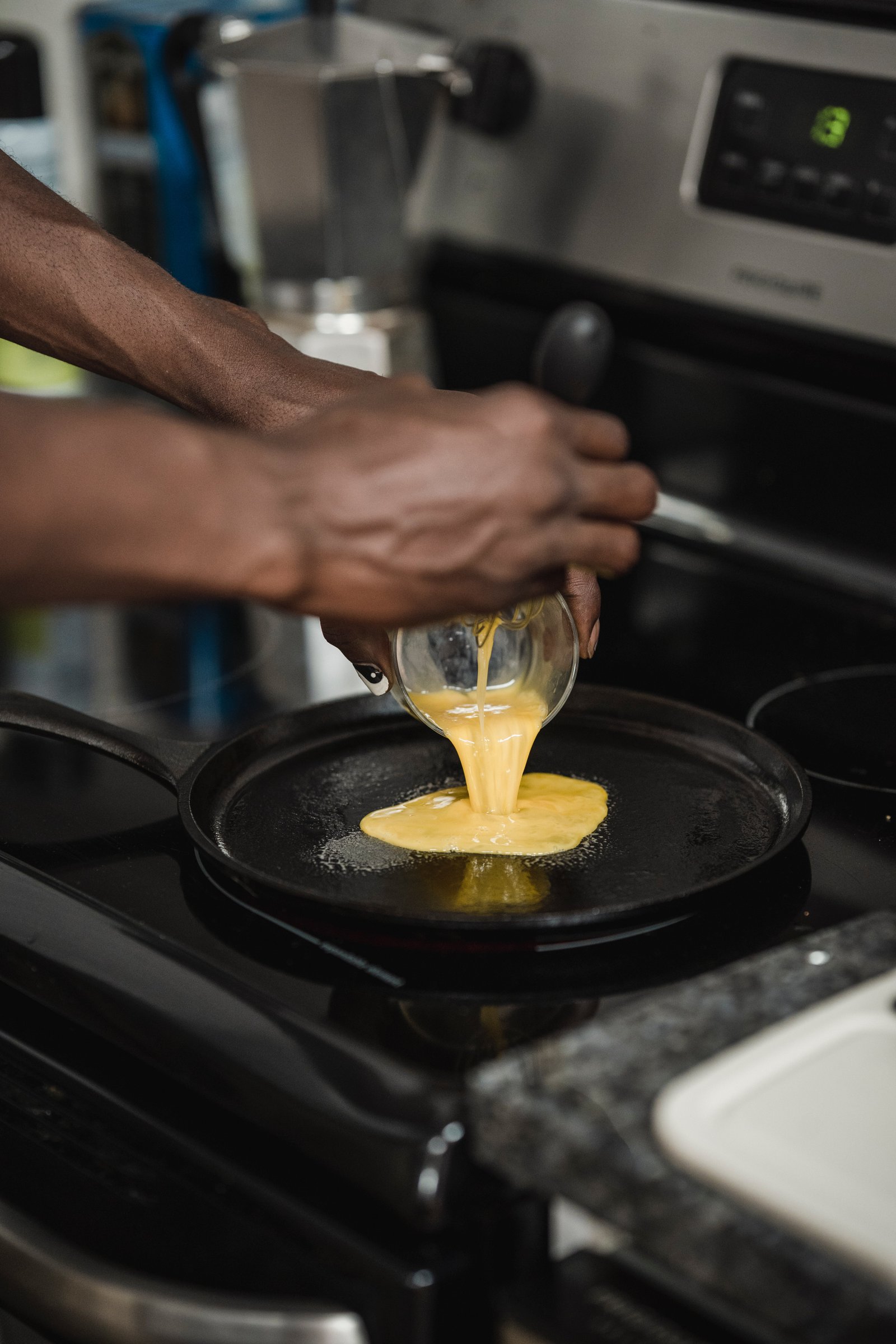
1. Clean as you go: One of the best ways to prevent cross-contamination is to clean as you cook. Keep a sink filled with hot, soapy water and wash utensils, cutting boards, and countertops as soon as you're done using them. This will help eliminate bacteria and other pathogens from spreading to other surfaces. 2. Use color-coded cutting boards: To avoid mixing raw meat with other foods, consider using color-coded cutting boards. Assign a different color for cutting raw meat, poultry, seafood, fruits, and vegetables. This simple hack can help you remember which board is meant for which food group and reduce the risk of cross-contamination. 3. Check the expiration dates: Before using any ingredients or packaged foods, always check the expiration dates. Consuming expired products can increase the risk of foodborne illnesses. Be sure to rotate your pantry items regularly to ensure that you use them before they expire. 4. Properly store leftovers: Leftovers should be stored in airtight containers and placed in the refrigerator within two hours of cooking. Label the containers with the date to keep track of how long they have been stored. Be sure to reheat leftovers to the proper temperature before consuming them. 5. Use a food thermometer: To ensure that meat, poultry, and seafood are cooked to a safe internal temperature, use a food thermometer. Different types of meat require different cooking temperatures to kill harmful bacteria. Insert the thermometer into the thickest part of the meat without touching bone or fat for an accurate reading. 6. Wash produce thoroughly: Fruits and vegetables can harbor harmful bacteria and pesticides, so it's essential to wash them thoroughly before consuming. Use a vegetable brush to scrub firm produce like cucumbers and potatoes, and soak leafy greens in a bowl of water to remove dirt and debris. By incorporating these food safety hacks into your kitchen routine, you can minimize the risk of foodborne illnesses and enjoy safer, healthier meals. Remember that practicing good food safety habits is essential for the well-being of you and your loved ones. To gain a holistic understanding, refer to https://www.deleci.com For the latest insights, read: https://www.adriaticfood.com To learn more, take a look at: https://www.alienvegan.com For the latest research, visit https://www.childnut.com Explore expert opinions in https://www.cfruits.com For a different perspective, see: https://www.foxysweet.com to Get more information at https://www.eatnaturals.com To expand your knowledge, I recommend: https://www.biofitnesslab.com For a comprehensive overview, don't miss: https://www.swiss-cuisine.com For a different take on this issue, see https://www.mimidate.com Here is the following website to check: https://www.huevo.org Seeking in-depth analysis? The following is a must-read. https://www.digestible.org For an extensive perspective, read https://www.vacas.net Get more at https://www.agriculturist.org For an in-depth analysis, I recommend reading https://www.cheffy.org More about this subject in https://www.loseweighton.com To understand this better, read https://www.stomachs.org Explore this subject further by checking out https://www.yemekleri.org For a different angle, consider what the following has to say. https://www.salting.org Curious to learn more? Click on https://www.instan.net Explore this subject in detail with https://www.japfa.org To learn more, take a look at: https://www.makanan.org Get more at https://www.nafdac.org Explore this subject in detail with https://www.gustar.net


