The Fusion of Induction Cooktops and Arabic Art and Culture
Category : topinduction |
Sub Category : topinduction Posted on 2023-10-30 21:24:53
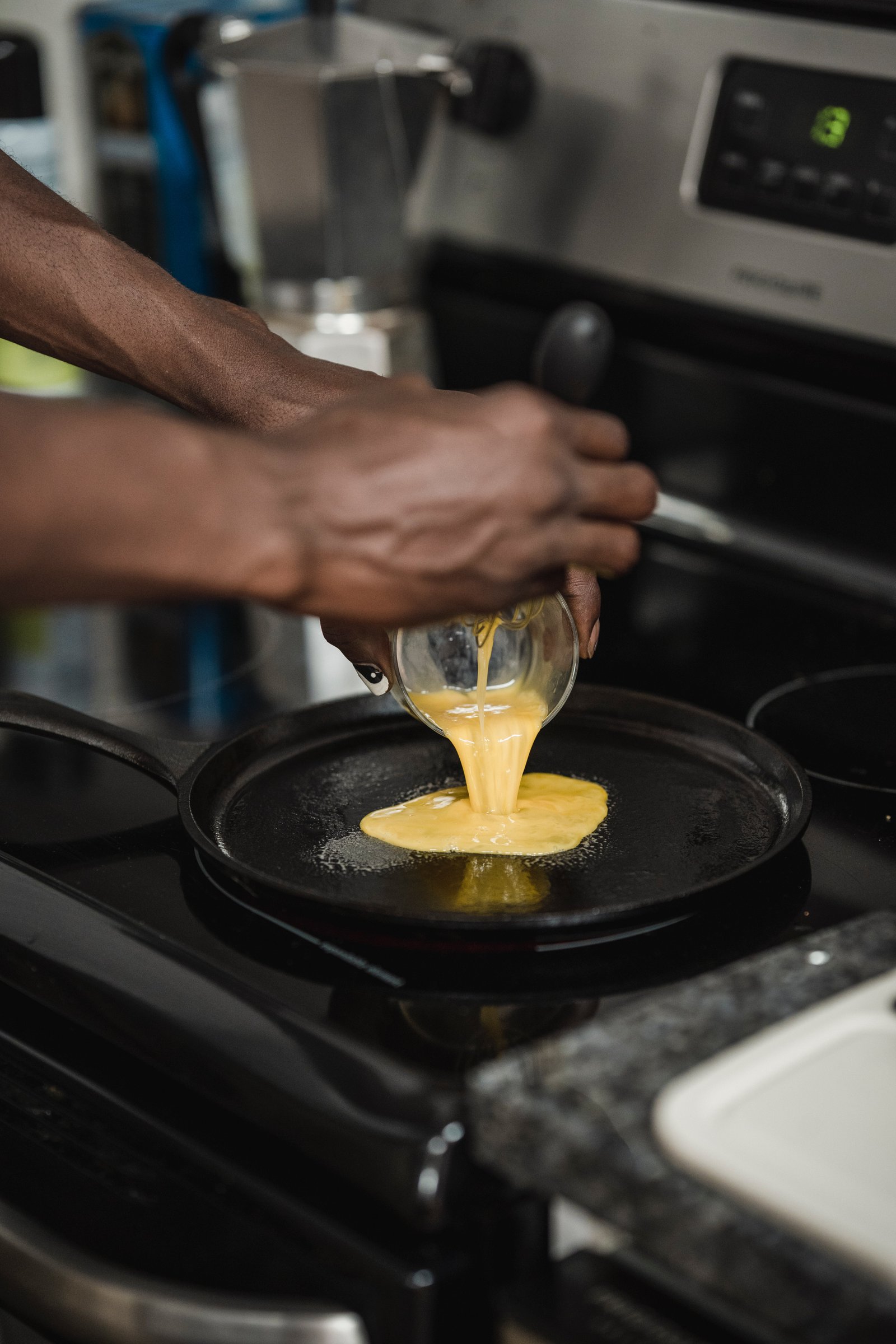
Introduction: In recent years, the kitchen has become more than just a space for cooking; it has evolved into a hub for culinary innovation, cultural exploration, and artistic expression. One particular aspect that showcases this harmonious blend is the incorporation of induction cooktops into Arabic art and culture. In this blog post, we will delve into how induction cooktops not only revolutionize cooking methods but also celebrate the rich artistic and cultural heritage of the Arab world. Induction Cooktops: A Modern Culinary Marvel: Induction cooktops have gained significant popularity in recent times due to their efficiency, safety, and sleek design. Unlike traditional gas or electric cooktops, induction cooktops work by using electromagnetic fields to directly heat the cookware. This precise and rapid heating allows for quick and even cooking, making it a preferred choice for both professional chefs and home cooks alike. The Influence of Arabic Art and Culture: Arabic art and culture have a rich history that spans centuries, encompassing various forms of expression, such as calligraphy, geometric patterns, and intricate designs. These elements are often seen in Islamic architecture, textiles, and even culinary traditions. Induction cooktops provide an excellent canvas to incorporate Arabic art and culture into the contemporary kitchen. The minimalist design, sleek surfaces, and customizable features allow artists and designers to seamlessly blend traditional Arabic motifs with modern cooking technology. Arabic Calligraphy on Induction Cooktops: Arabic calligraphy is a hallmark of Arabic art, known for its flowing lines and intricacy. With induction cooktops, calligraphy can be etched onto the surface, transforming it into a functional piece of art. Imagine the elegant curves of a verse from the Quran or a well-known Arabic poem adorning the cooktop, adding a touch of sophistication and cultural significance to the kitchen. Geometric Patterns and Induction Cooktops: Geometric patterns are another prominent feature in Arabic art and architecture. Their meticulous symmetry and repetition create an aesthetic harmony that is visually captivating. Induction cooktops, with their sleek surfaces, serve as the perfect canvas to showcase these mesmerizing geometric patterns. Intricate diamond designs, interlocking circles, or mesmerizing mosaics can be created, making each cooktop a unique piece of art. Incorporating Arabic Culinary Traditions: Arabic cuisine is renowned for its rich flavors, aromatic spices, and diverse recipes. These culinary traditions can also influence the design and features of induction cooktops. For example, cooktops can be designed with specific heat zones to cater to traditional Arabic cooking techniques such as slow-cooking stews or grilling on a flatbread like Manakish. This integration of cultural heritage into modern appliances allows for a seamless transition between traditional and contemporary cooking methods. Conclusion: The fusion of induction cooktops and Arabic art and culture showcases the ever-evolving nature of culinary spaces. By incorporating elements of calligraphy, geometric patterns, and traditional culinary traditions, these cooktops become more than just functional appliances; they become a celebration of art, culture, and heritage. This harmonious blend not only enhances the aesthetics of the kitchen but also connects us to the rich and diverse culinary traditions of the Arab world. So, why settle for an ordinary cooktop when you can indulge in the fusion of culinary innovation and artistic expression? Seeking expert advice? Find it in http://www.onlinebanat.com


