The kitchen is often referred to as the heart of a home, and this sentiment holds true in Filipino culture as well. In the Philippines, the kitchen plays a central role in family life and is where delicious and unique dishes of Philippine cuisine are lovingly prepared.
Category : topinduction |
Sub Category : topinduction Posted on 2025-11-03 22:25:23
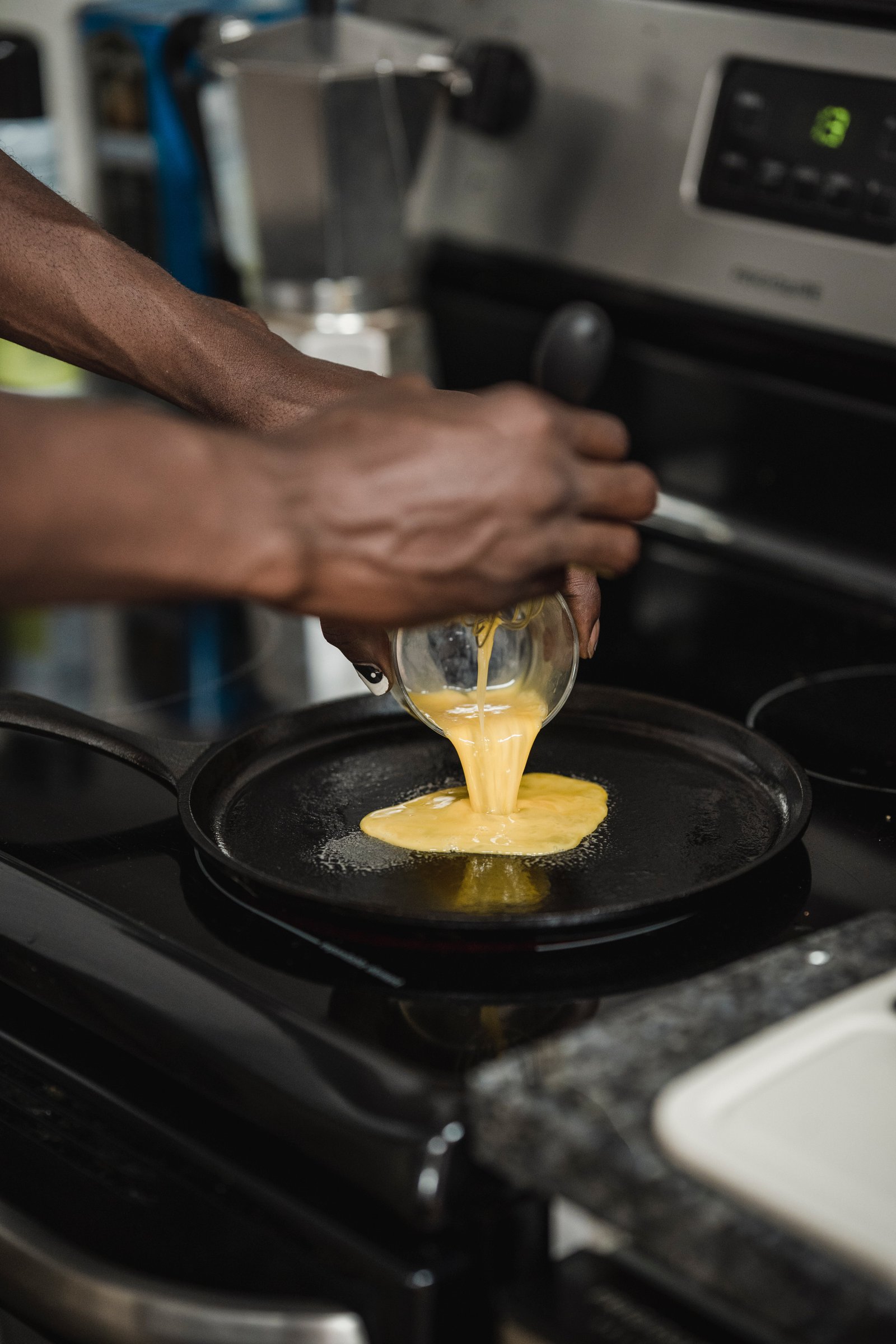
Filipino cuisine is a rich tapestry of flavors and influences, reflecting the country's history of colonization and trade. Spanish, Chinese, American, and Malay influences can all be found in Filipino dishes, creating a culinary landscape that is both familiar and exotic. One of the defining characteristics of Filipino cuisine is the use of a wide array of tropical fruits, vegetables, and herbs. Ingredients like coconut, mango, calamansi, and pandan are commonly used to add depth and complexity to dishes. Many traditional Filipino recipes also feature a blend of sweet, sour, and savory flavors, creating a harmonious balance that is a delight to the palate. In the Filipino kitchen, rice is a staple that is eaten with almost every meal. Whether it's steamed white rice or fragrant garlic fried rice, rice is a versatile and essential component of Filipino dishes. Meat dishes like adobo (meat braised in soy sauce, vinegar, garlic, and spices) and kare-kare (oxtail stew in peanut sauce) are popular choices for main courses, while seafood dishes like sinigang (sour tamarind soup with shrimp or fish) showcase the bounty of the seas surrounding the Philippines. The art of cooking in the Philippines is often passed down through generations, with grandmothers and mothers teaching their children the secrets of preparing traditional dishes. Family gatherings and celebrations are often centered around food, with everyone pitching in to help prepare and enjoy a feast of Filipino delicacies. The Filipino kitchen is not just a place for cooking, but also a space for bonding, storytelling, and creating memories with loved ones. The aromas of garlic, ginger, and fish sauce wafting through the air, the sounds of sizzling meat on the grill, and the vibrant colors of fresh produce all come together to create a sensory experience that is uniquely Filipino. In conclusion, the kitchen is the heart and soul of Filipino cuisine, where the warmth of family and the richness of flavors combine to create a culinary experience like no other. The love and care that go into preparing Filipino dishes are what make them truly special and a cherished part of Filipino culture. Want to know more? Don't forget to read: https://www.nerdcook.com Seeking answers? You might find them in https://www.indianspecialty.com this link is for more information https://www.bestindianfoods.com If you're interested in this topic, I suggest reading https://www.deleci.com Want to know more? Don't forget to read: https://www.adriaticfood.com Take a deep dive into this topic by checking: https://www.alienvegan.com To get all the details, go through https://www.cfruits.com More in https://www.foxysweet.com also for more https://www.eatnaturals.com Check the link below: https://www.swiss-cuisine.com Click the following link for more https://www.huevo.org For more information check: https://www.digestible.org Looking for more information? Check out https://www.vacas.net For an in-depth examination, refer to https://www.cheffy.org To get a holistic view, consider https://www.loseweighton.com for more https://www.stomachs.org You can also Have a visit at https://www.yemekleri.org For a comprehensive review, explore https://www.culturelle.org To learn more, take a look at: https://www.departements.org Check this out https://www.salting.org Want a deeper understanding? https://www.instan.net visit: https://www.regionales.net For comprehensive coverage, check out https://www.makanan.org More in https://www.philippinesinfo.com For a different take on this issue, see https://www.gustar.net


