Philippine and Estonian cuisines may seem worlds apart in terms of geographical distance and cultural influences, but both have their own unique flavors and ingredients that offer a glimpse into the culinary traditions of their respective countries. Let's delve into the distinct characteristics of Philippine and Estonian cuisines and explore some of their most popular dishes.
Category : topinduction |
Sub Category : topinduction Posted on 2025-11-03 22:25:23
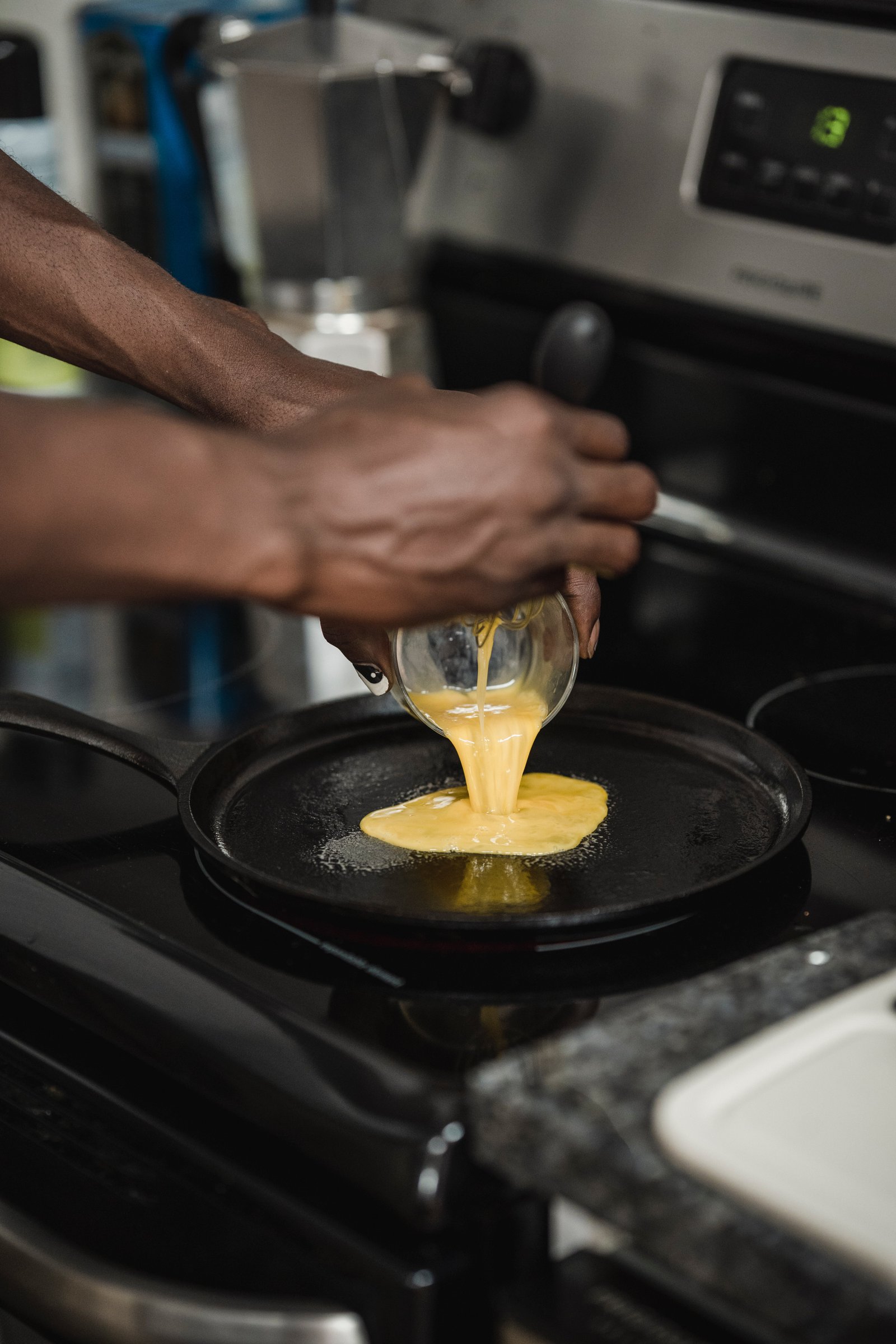
Philippine cuisine: Philippine cuisine is a vibrant and diverse reflection of the country's history and cultural heritage. Influenced by Malay, Chinese, Spanish, and American culinary traditions, Filipino dishes are known for their bold flavors, use of tropical ingredients, and diverse cooking techniques. One of the signature dishes of Philippine cuisine is adobo, a savory stew typically made with meat (such as chicken or pork), soy sauce, vinegar, garlic, and bay leaves. Adobo is a popular comfort food that showcases the Filipino love for tangy and salty flavors. Another Filipino favorite is sinigang, a sour soup typically made with tamarind broth, vegetables, and either pork, shrimp, or fish. The sourness of the soup is balanced by the sweetness of the vegetables, creating a harmonious and comforting dish. Estonian Cuisine: Estonian cuisine, on the other hand, is characterized by its simplicity, focus on seasonal and local ingredients, and hearty flavors. Influenced by neighboring countries like Russia, Latvia, and Sweden, Estonian dishes often feature ingredients like potatoes, pork, fish, and dairy products. One of the most iconic Estonian dishes is kama, a traditional flour mixture made from roasted barley, rye, oat, and pea flour. Kama is often mixed with buttermilk or kefir to create a thick and nutritious beverage or porridge, enjoyed as a filling breakfast or snack. Another popular Estonian dish is sült, a jellied meat dish made by boiling pork or beef cuts with vegetables and herbs, then setting the mixture in gelatin to form a savory terrine. Sült is typically served cold as a starter or appetizer, accompanied by mustard and pickles. While the culinary traditions of the Philippines and Estonia may differ in terms of ingredients and flavors, both cuisines share a common emphasis on using fresh, wholesome ingredients to create dishes that are hearty, flavorful, and deeply rooted in cultural heritage. Whether you're savoring a steaming bowl of sinigang in the Philippines or sampling sült in Estonia, each bite offers a taste of the unique culinary identity of these two fascinating countries. In conclusion, Philippine and Estonian cuisines may come from opposite sides of the globe, but their culinary offerings showcase the diversity and richness of our culinary world. So next time you're looking to expand your gastronomic horizons, consider exploring the flavors of the Philippines and Estonia for a delicious journey into two distinct food cultures. Have a visit at https://www.bestindianfoods.com To get more information check: https://www.deleci.com For a broader perspective, don't miss https://www.adriaticfood.com To get a better understanding, go through https://www.alienvegan.com To find answers, navigate to https://www.cfruits.com also this link is for more information https://www.foxysweet.com Expand your knowledge by perusing https://www.eatnaturals.com Explore expert opinions in https://www.swiss-cuisine.com Have a look at https://www.huevo.org To get more information check: https://www.digestible.org also don't miss more information at https://www.vacas.net Want a more profound insight? Consult https://www.cheffy.org To gain a holistic understanding, refer to https://www.loseweighton.com Click the following link for more https://www.stomachs.org Don't miss more information at https://www.yemekleri.org Check the link: https://www.culturelle.org For a comprehensive review, explore https://www.departements.org Check the link: https://www.salting.org sources: https://www.instan.net also don't miss more information at https://www.regionales.net also for More in https://www.makanan.org Seeking more information? The following has you covered. https://www.philippinesinfo.com Looking for more information? Check out https://www.gustar.net


