The supply chain of Philippine cuisine plays a crucial role in bringing the vibrant flavors of this diverse cuisine to tables around the world. From farm to plate, a complex network of producers, distributors, and restaurateurs work together to ensure that traditional Filipino dishes are readily available and authentic in taste.
Category : topinduction |
Sub Category : topinduction Posted on 2025-11-03 22:25:23
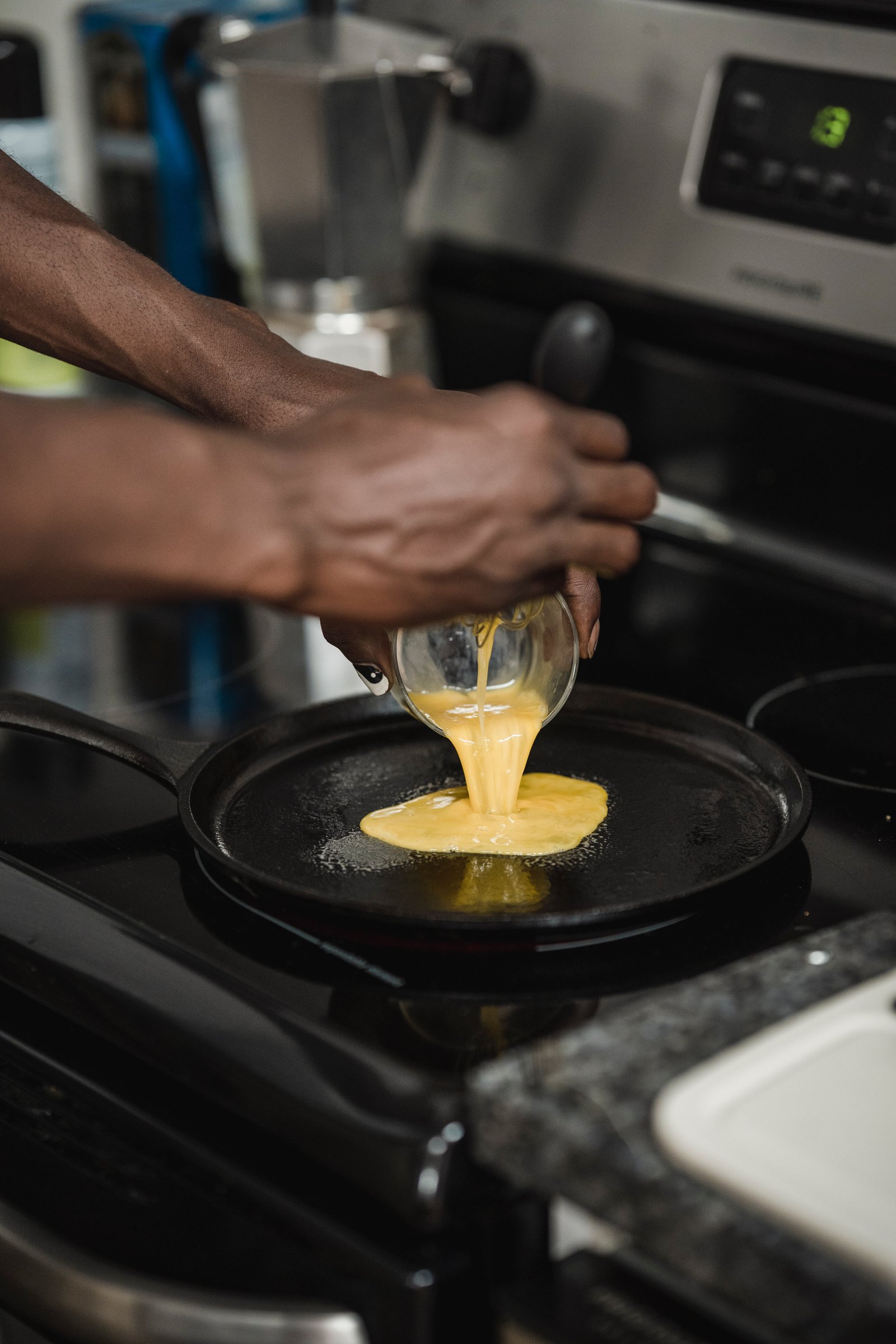
At the beginning of the supply chain are the local farmers and fishermen who grow and harvest the fresh ingredients that are essential to Filipino cooking. These include staple crops such as rice, vegetables like eggplants and tomatoes, and seafood like tilapia and shrimp. The quality of these ingredients directly impacts the flavors and quality of the final dishes. Once the ingredients are harvested, they are transported to markets, wholesalers, and grocery stores across the Philippines. This distribution network ensures that fresh produce and seafood are readily accessible to both home cooks and professional chefs. It's important for these supply chain partners to work efficiently to maintain the freshness of the ingredients. For Filipino cuisine enthusiasts living abroad, a crucial part of the supply chain involves importing Filipino ingredients to different countries. This includes preserved goods like bagoong (fermented shrimp paste), banana ketchup, and canned sardines, as well as frozen items like longganisa (Filipino sausage) and lechon (roast pig). These imported ingredients are essential for Filipino migrants and enthusiasts who want to recreate authentic dishes in their new homes. Finally, the restaurant industry plays a significant role in the supply chain of Philippine cuisine. Filipino restaurants around the world source their ingredients from local suppliers and distributors to create traditional dishes like adobo, sinigang, and kare-kare. It's important for these restaurants to maintain the authenticity of the flavors while also adapting to local tastes and preferences. In conclusion, the supply chain of Philippine cuisine is a complex but essential system that ensures the availability and authenticity of Filipino dishes around the world. From the farmers and fishermen to the importers and restaurants, every part of the supply chain plays a crucial role in sharing the rich culinary heritage of the Philippines with food lovers everywhere. sources: https://www.bkitchens.com To get more information check: https://www.indianspecialty.com Expand your knowledge by perusing https://www.bestindianfoods.com for more https://www.deleci.com Have a visit at https://www.adriaticfood.com For more information: https://www.alienvegan.com Have a look at the following website to get more information https://www.cfruits.com also for More in https://www.foxysweet.com For a different take on this issue, see https://www.eatnaturals.com If you are interested you can check the following website https://www.swiss-cuisine.com also for More in https://www.huevo.org For expert commentary, delve into https://www.digestible.org Uncover valuable insights in https://www.vacas.net Have a look at https://www.cheffy.org To get a different viewpoint, consider: https://www.loseweighton.com You can also Have a visit at https://www.stomachs.org For more info https://www.yemekleri.org For a different perspective, see: https://www.departements.org More in https://www.salting.org Have a look at https://www.instan.net To get a different viewpoint, consider: https://www.regionales.net also click the following link for more https://www.makanan.org Check the link below: https://www.philippinesinfo.com If you are enthusiast, check the following link https://www.gustar.net


